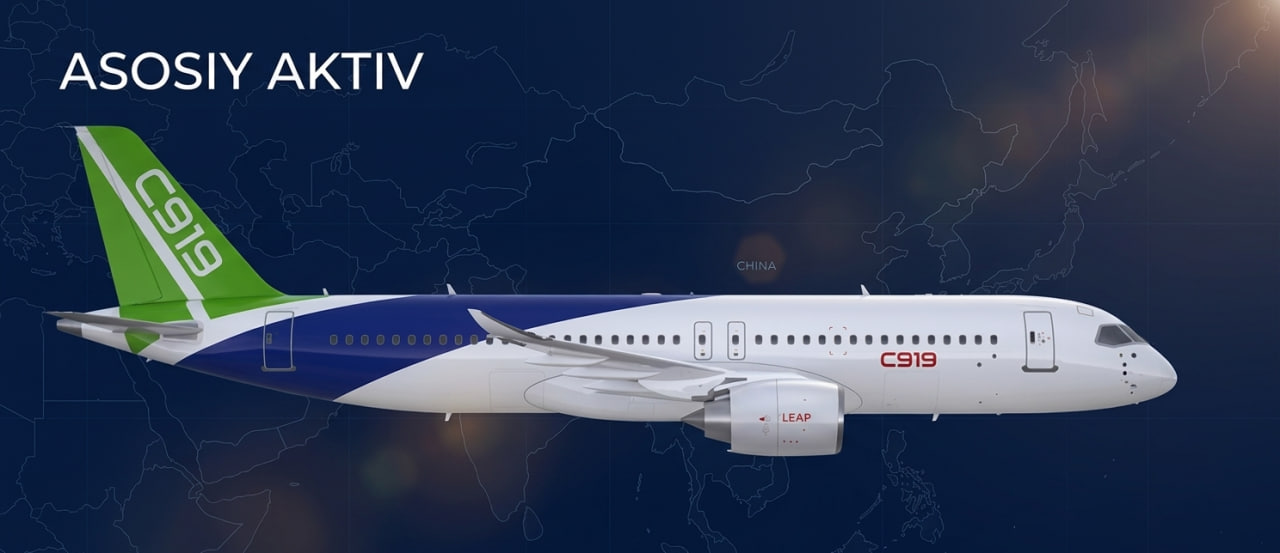
В то время как китайский пассажирский лайнер Comac C919 совершает свой первый коммерческий международный рейс из Пекина в Улан-Батор, более половины цепочки поставок этого проекта «национальной гордости» остается в жесткой зависимости от корпораций США. Позиционируемый как прямой конкурент Boeing 737 и Airbus A320, этот узкофюзеляжный самолет фактически представляет собой конструктор из западных аэрокосмических технологий.
Двухчасовой рейс, выполняемый Air China, транслируется как геополитический сигнал о готовности сломать дуополию Boeing-Airbus на глобальном рынке. В реальности же этот вылет маскирует глубокий производственный кризис и уязвимость перед американо-китайским торговым соглашением, срок действия которого истекает в ноябре. Лайнер, не имеющий сертификации западных регуляторов, выходит на международные маршруты исключительно из-за политической необходимости, а не технической зрелости.
Производственный тупик и западные детали
Анализ Center for Strategic and International Studies (CSIS) показывает, что по состоянию на 2020 год более половины поставщиков C919 базировались в Соединенных Штатах. Старший советник CSIS Скотт Кеннеди утверждает, что называть лайнер китайским вводит в заблуждение, поскольку самолет критически зависит от импортных компонентов и демонстрирует меньшую эффективность, чем его западные аналоги.
Прямым следствием этой зависимости стал обвал производственных показателей. В прошлом году государственная корпорация Comac (Commercial Aircraft Corporation of China) смогла поставить заказчикам лишь 15 самолетов при заявленной цели в 75 единиц. Аналитик Института Брукингса Кайл Чан подчеркивает, что авиастроение требует интеграции сложнейших электромеханических систем и глобальной цепи поставок, что на порядок сложнее успешной китайской экспансии в сфере электромобилей (EV).
Геополитический бартер
Уязвимость проекта стала очевидной в прошлом году, когда Вашингтон приостановил экспорт ряда компонентов для Comac в рамках торговой войны. Во время майского государственного визита Дональда Трампа в Пекин китайская сторона пошла на стратегические уступки: в обмен на американские гарантии поставок деталей для двигателей собственного лайнера, Пекин обязался закупить 200 самолетов Boeing.
Это подтверждает слова академика Инженерной академии Китая Чжана Яньчжуна о том, что опора на иностранные технологии угрожает национальной стратегической безопасности. Западные поставщики контролируют не только физические компоненты, но и алгоритмы интеграции сложного программного обеспечения в летную экосистему, что делает самостоятельную сборку невозможной.
Несмотря на подписанный в 2023 году контракт на $2 млрд с брунейской GallopAir на поставку 30 самолетов (включая 15 единиц C919), самолет по-прежнему не признан регуляторами Европы и США. Временное торговое перемирие между Пекином и Вашингтоном истекает в ноябре. Любой возобновленный запрет Белого дома на экспорт аэрокосмических компонентов мгновенно парализует сборочные линии Comac, оставив глобальную дуополию нетронутой.