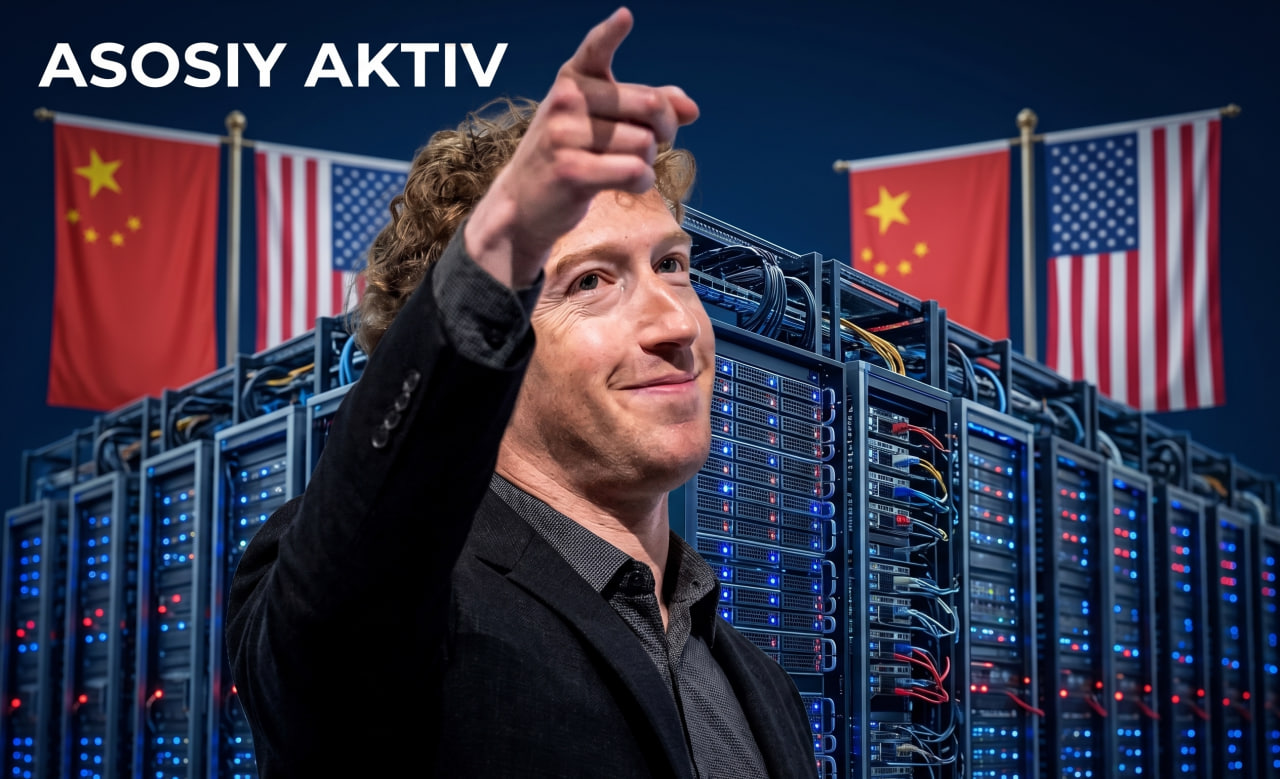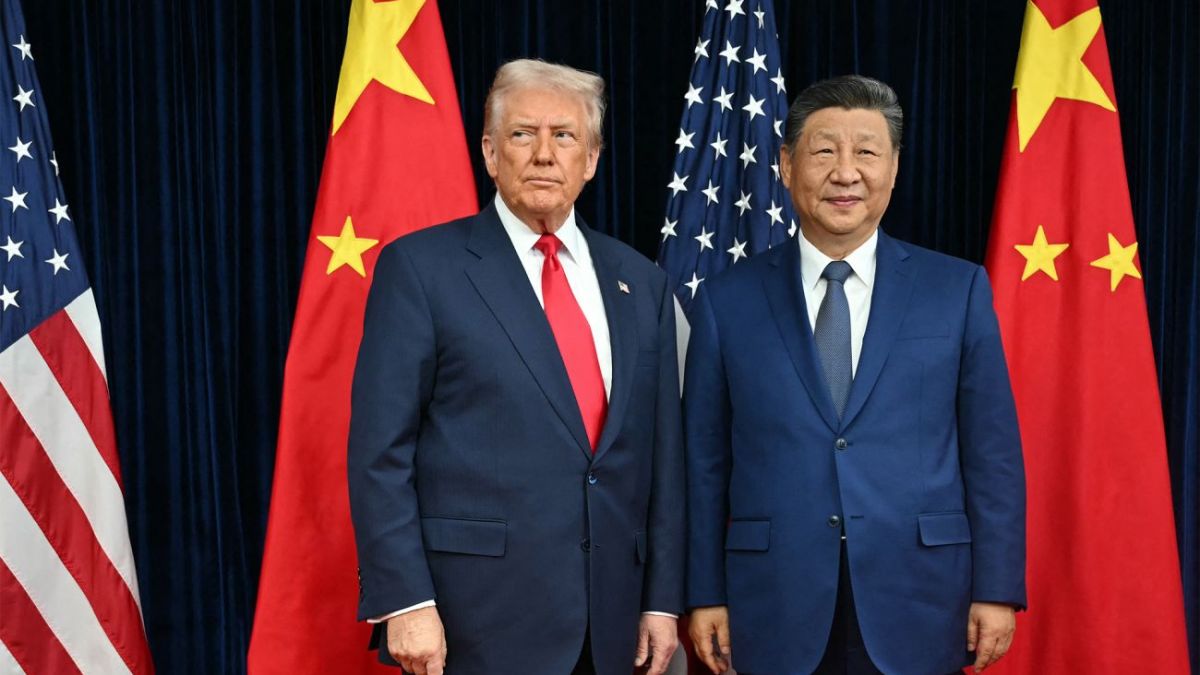
U.S. President Donald Trump and Chinese leader Xi Jinping are set to address mounting risks surrounding rogue artificial intelligence, striving to establish emergency communication channels despite escalating technological competition between the two superpowers.
Emergency Notification Protocols and Shared Threats
U.S. Treasury Secretary Scott Bessent, following talks in New York with Chinese Vice Premier He Lifeng, disclosed that the two sides discussed an AI dialogue platform and proposed an incident notification mechanism for national security threats. Analysts from Tsinghua University and U.S. advisors highlight that mutual vulnerabilities—such as AI-driven cyberattacks, biosecurity risks, model failures, and loss of control over autonomous agents—leave meaningful room for bilateral cooperation.
Export Controls and the Compute Barrier
Trump continues to prioritize preserving the American technological edge, ruling out any immediate easing of export controls on advanced semiconductor hardware. Although analysts observe that restrictions limit China's computing capacity for serving broad user bases, domestic labs like Moonshot AI and DeepSeek have succeeded in matching frontier American benchmarks set by OpenAI and Anthropic at substantially lower costs.
Allegations of Distillation and Geopolitical Friction
Frictions remain intense over U.S. allegations that Chinese firms rely on "distillation" to siphon capabilities from models like Anthropic’s Claude. Beijing rejects these accusations, pointing instead to potential threats against its domestic infrastructure from advanced foreign AI systems. While treating counterpart technologies as sovereign security threats narrows the scope for collaboration, specialists emphasize that these friction points make structured communication channels between Washington and Beijing essential.