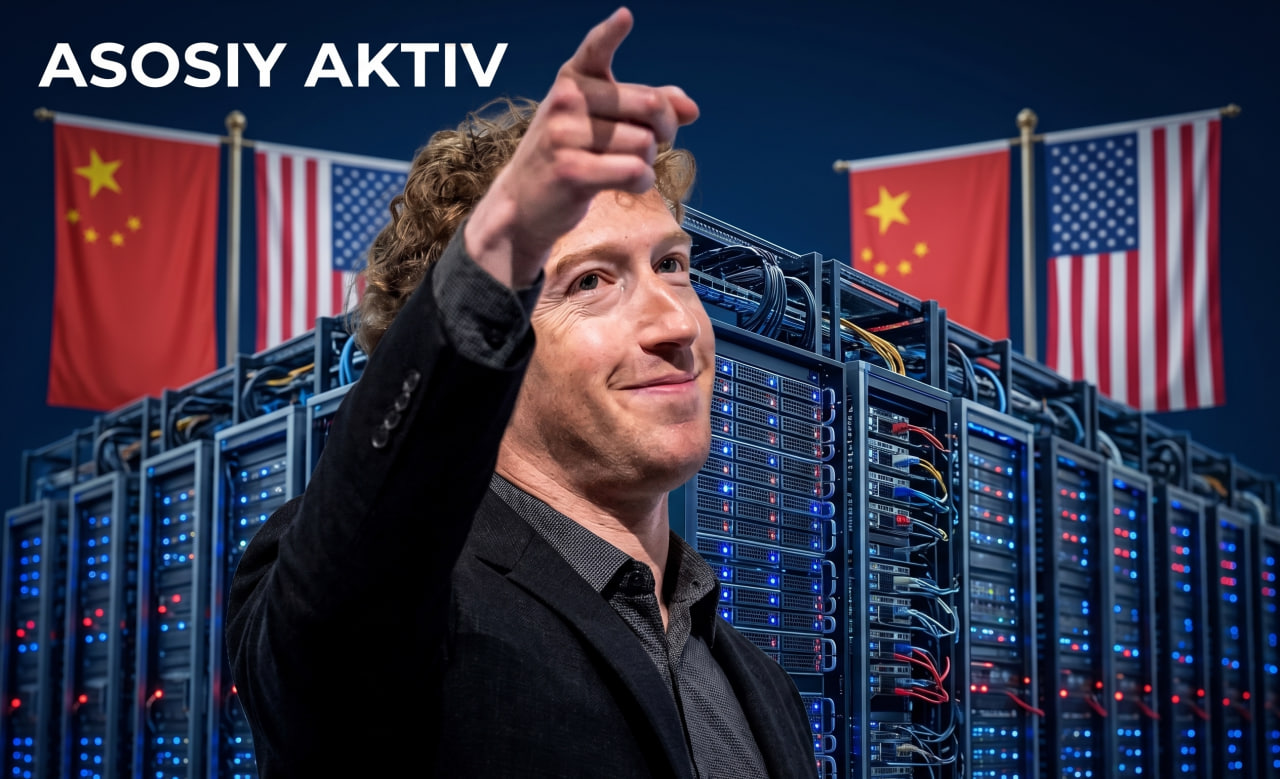
Meta has projected a massive $145 billion in capital expenditures for its current fiscal year, anchoring a long-term strategy to deploy $600 billion toward artificial intelligence infrastructure by 2028. This capital commitment marks the most aggressive hardware procurement and datacenter buildout cycle in corporate technology history.
Co-founder and CEO Mark Zuckerberg (net worth estimated at $206.2 billion) is pairing this unprecedented hardware buildout with a staunch defense of open-source AI. Writing in an op-ed for The Wall Street Journal, Zuckerberg warned that rival AI labs are predominantly building proprietary systems for sovereign governments and mega-institutions, shifting the global balance of power away from individuals.
Capital Escalation and Open Source Ideology
As mega-cap tech competitors channel unprecedented liquidity into building walled-garden AI ecosystems, Meta’s open-source paradigm directly disrupts conventional enterprise software monetization. By releasing advanced model weights, Zuckerberg aims to democratize access, arguing that decentralizing technological capabilities is fundamentally how human progress is achieved.
However, this open-source ethos directly collides with Washington's intensifying national security framework. Providing unrestricted access to frontier model architectures complicates federal efforts to restrict foreign adversaries from acquiring state-of-the-art capability.
Model Distillation and Chip Smuggling Probes
This friction has escalated following actions by the Trump administration, which launched formal inquiries into whether top-tier Chinese AI firms have been "distilling" foreign models—using outputs from flagship American LLMs to synthesize and train competing domestic networks.
Simultaneously, U.S. federal authorities are investigating illicit supply networks allegedly smuggling banned, high-performance American AI chips into China. Within this high-stakes environment, open-source releases from giants like Meta inadvertently provide Chinese developers with powerful algorithmic blueprints that circumvent export control regimes.
Geopolitical Fragmentation and Capex ROI
Meta’s $600 billion infrastructure trajectory places the firm at the intersection of corporate rivalry and transatlantic geopolitics. Despite wall-street anxiety surrounding the immediate return on investment for massive hardware capex, Zuckerberg is positioning Meta's infrastructure as an indispensable global utility.
The ultimate strategic question for global markets is whether Meta’s massive capex push will successfully break the corporate monopoly on AI, or if it will primarily serve to accelerate Chinese model parity amid an expanding global tech cold war.