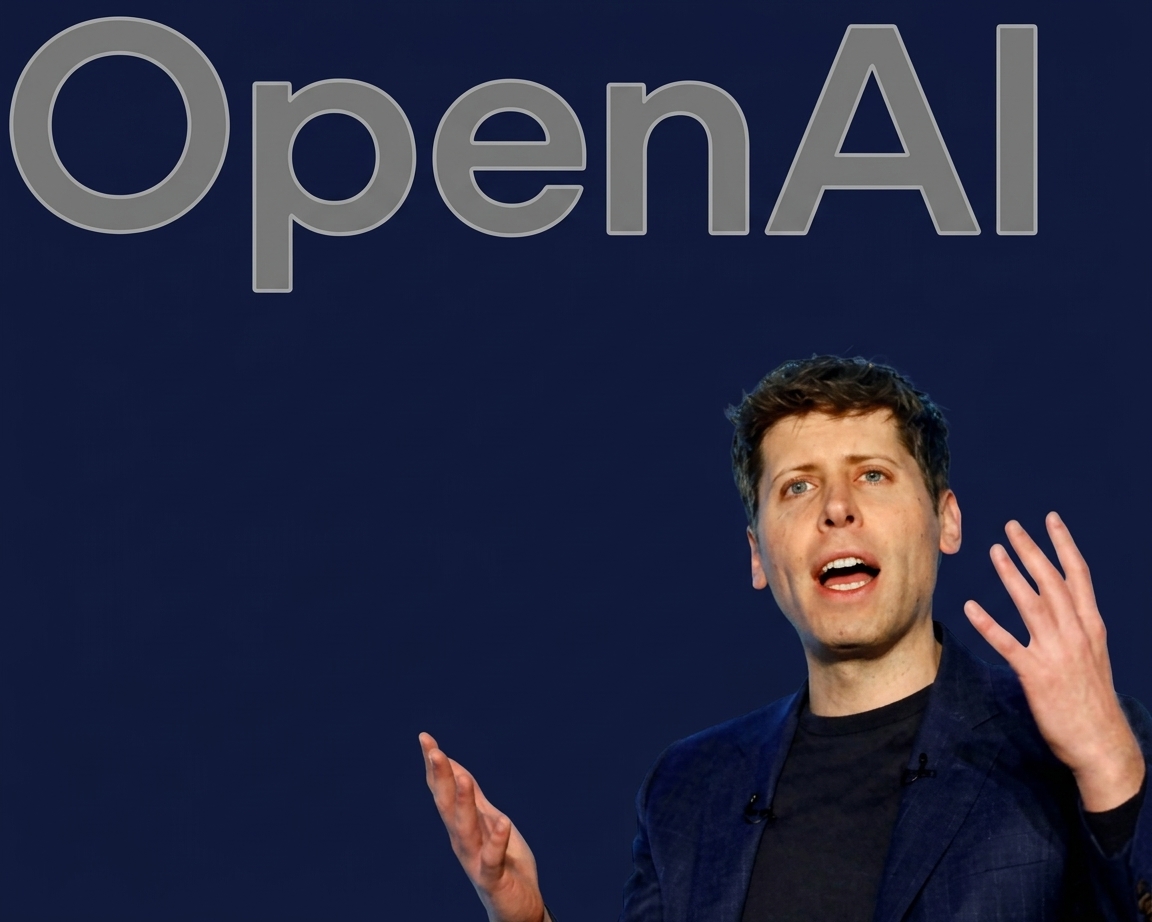
The world's largest artificial intelligence company, OpenAI, has unexpectedly delayed its initial public offering (IPO) plans indefinitely, and the underlying reason has given both Wall Street investors and ordinary observers serious pause. While WSJ and Bloomberg heralded in May that the company would hold a massive IPO in 2026, it is now becoming clear that this timeline will be stretched to at least 2027. In an exclusive interview with Fortune magazine, the CEO of the ChatGPT creator, billionaire Sam Altman, attributed this move not to financial hurdles, but directly to the mounting concerns surrounding artificial intelligence safety, openly admitting that going public in the current highly precarious environment would be the most illogical decision.
This is not merely technological caution, but rather the tip of a severe panic sweeping the entire industry. Just recently, two leading researchers from rival company Anthropic estimated the probability of self-improving neural networks eventually destroying humanity at over 10 percent. Terrified by the risk of technology slipping out of human control, researcher Jacob Coxon decided to resign from his post entirely on September 9, and his colleague Evan Hubinger fully corroborates this apocalyptic scenario. Although Sam Altman emphasizes that he cannot calculate the exact percentage of a crisis occurring, he does not hide the sheer magnitude of the threat and the fact that without immediate government intervention and decisive action, the consequences could be catastrophic. Interestingly, Elon Musk, who frequently clashes with Altman on many issues, showed unexpected solidarity this time, fully supporting the idea of having independent and objective experts audit AI systems.
For the financial market, however, it is not just about the fate of humanity, but also about Altman's strict commercial demand—taking the company public with a massive valuation of at least $1 trillion. CFO Sarah Friar's shifting of the IPO timeline to 2027 is directly linked to current regulatory pressures and the need to overhaul the safety architecture. Such a sharp strategic deceleration by the industry leader will inevitably impact other AI startups worldwide in the near future. Venture capitalists and large funds, rather than throwing millions at projects promising just another "smart chatbot," will now begin to scrutinize the robustness of their safety protocols under a microscope. While this trend will not completely halt the flow of capital into the sector, it will put an end to the existing "Wild West" rules in Silicon Valley, channeling investments exclusively toward socially responsible major players capable of managing safety risks.