In modern financial architecture, the most profitable business framework is one that generates pure cash flow without capital expenditures or tax liabilities. On the streets of Tashkent, professional begging has evolved into precisely such an organized shadow enterprise. Official regulatory investigations confirm that between 80 and 90 percent of street collectors are completely free from genuine financial hardship. They represent seasoned professionals who systematically monetize public sympathy and cultural empathy. The daily cash turnover secured by these operatives consistently exceeds the compensation earned by corporate specialists and public sector employees.
The economic model of this network defies ordinary corporate constraints. The syndicate incurs no rent payments, no supply chain fees, no raw material costs, and no marketing overhead. Every banknote received constitutes pure net profit. Capitalizing on traditional religious tenets and emotional impulses, the network operates a high-conversion retail model. Within seconds of personal interaction on high-density pedestrian routes, operatives convert fleeting public guilt into untracked liquidity without receipts or fiscal monitoring.The operational workforce of this shadow empire is heavily structured. Official reports for the first 6 months of 2025 revealed 1880 individuals who adopted street collections as a full-time, lucrative career.
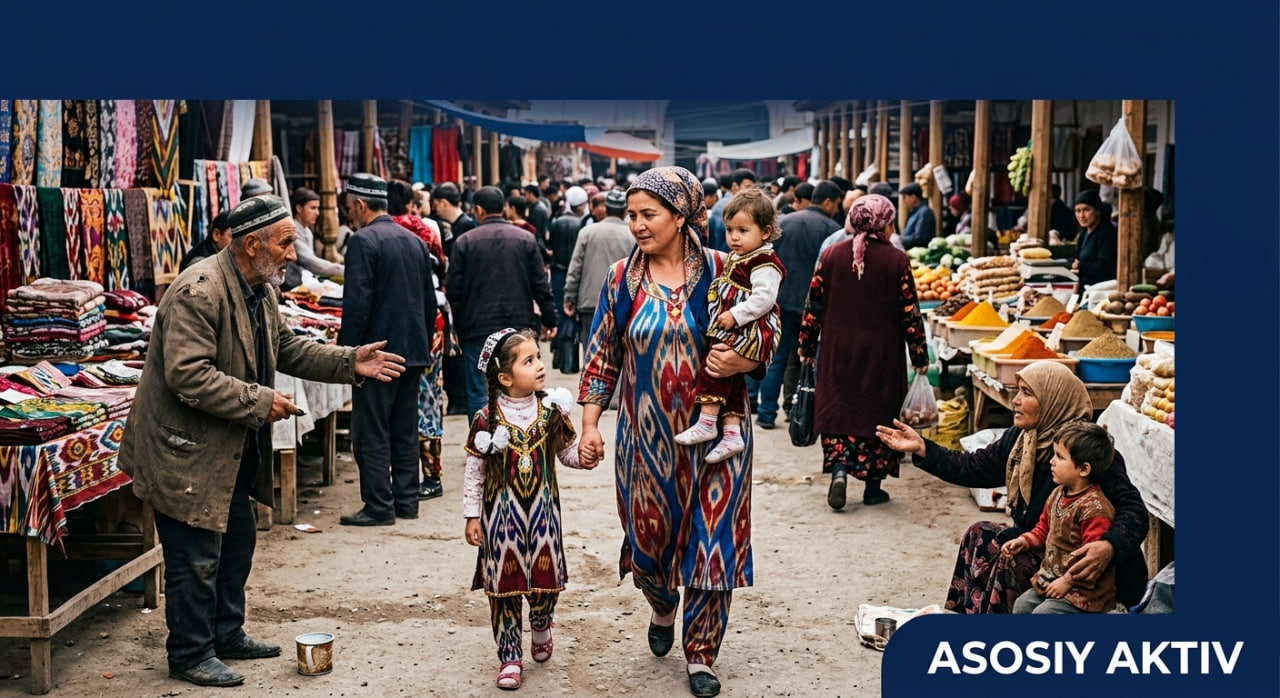
Historic baseline data from 2018 demonstrates the depth of this labor pool: law enforcement registered more than 5000 active operatives in the capital. Women accounted for more than 4000 of those individuals, with over 3000 carrying infants or small children during operations. Another 500 were elderly persons, and 100 were disabled men. Minors, disabled individuals, and senior citizens serve as critical marketing instruments, dramatically accelerating conversion rates and maximizing cash donations. Logistical placement focuses exclusively on prime real estate with peak foot traffic. International airports, railway terminals, public parks, open markets, retail malls, vehicle parking facilities, and municipal transit routes serve as primary distribution channels. The massive volume of cash collected at these locations completely bypasses the banking sector. This untaxed liquidity harms fiscal policy, tarnishes the international reputation of the capital among arriving tourists, and provides direct capital reserves for organized underground rings. Regulatory authorities have expanded legal instruments to curb this illicit monopoly.
Legislative reforms enacted in 2019 introduced Article 188-3 into the Code of Administrative Responsibility and Article 127-1 into the Criminal Code. Baseline violations carry fines of up to 3 basic calculation units, equal to 1125000 soums, or administrative detention for up to 15 days. Subsequent offenses committed after administrative sanctions trigger criminal proceedings resulting in up to 3 years of restricted freedom or imprisonment. The legal liability deepens significantly for syndicate handlers exploiting vulnerable individuals. Utilizing minors, the disabled, or the elderly, or administering intoxicating substances, triggers penalties up to 10 basic calculation units, reaching 3750000 soums, or 15 days of arrest.
When committed repeatedly or by an organized syndicate, the law mandates mandatory prison sentences ranging from 3 to 5 years. The June 2025 enforcement operations highlighted both the scale and persistence of the market. Within 30 days, approximately 300 street operatives were detained. Courts ordered administrative jail sentences for 70 individuals, levied fines against 47, placed 44 children in specialized protective care centers, and opened criminal cases against 2 organizers. Yet, the sheer volume of untraceable cash allows managers to treat penalties as standard operating expenses. Dismantling this shadow empire requires shutting down both the organized leadership and the emotional retail capital supplied directly by the public.