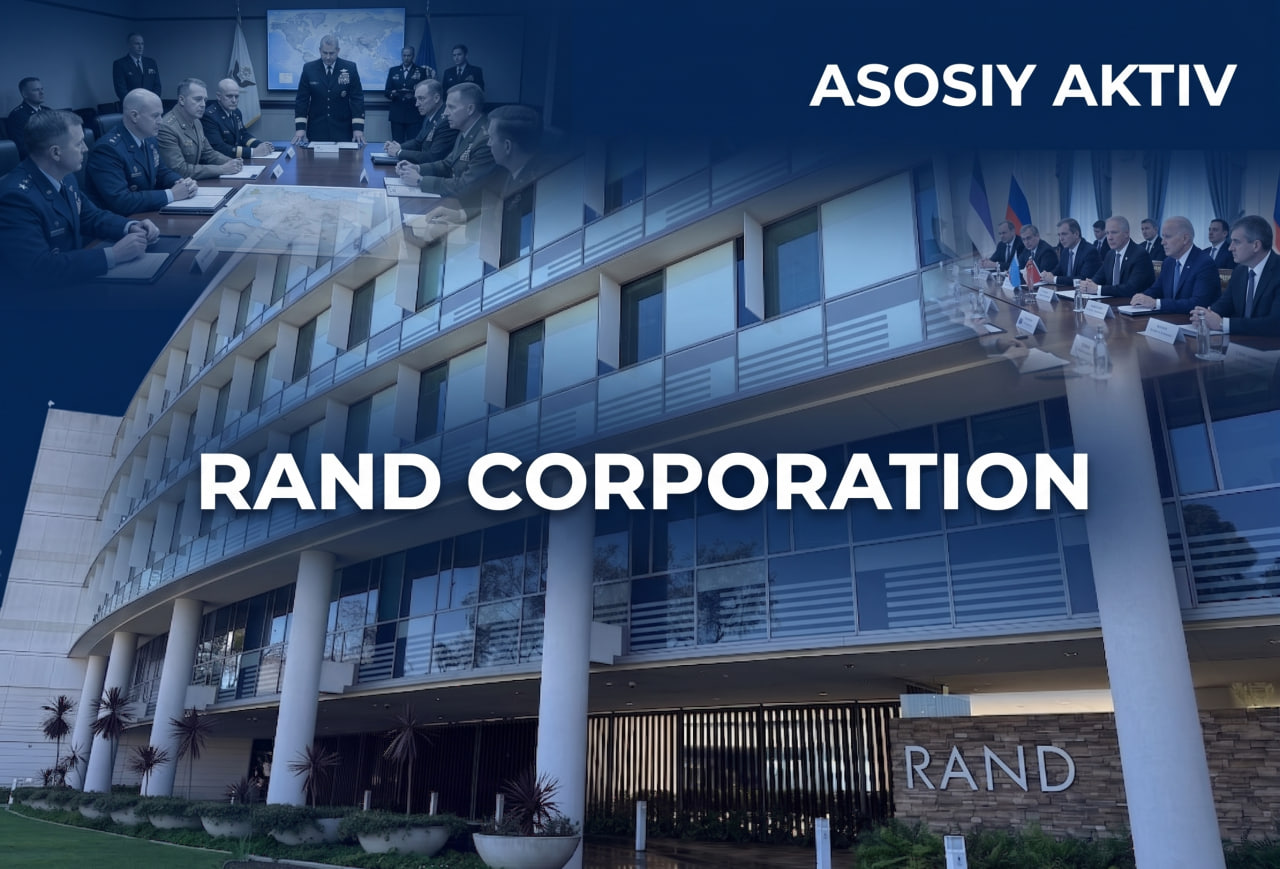
Since 1948, the RAND Corporation has operated as a nonprofit research group shaping high-stakes policy choices across health, defense, education, and global affairs. The organization generates zero revenue from physical consumer products, instead monetizing trusted, evidence-based analysis for public-sector agencies and international foundations. For institutional clients facing decisions that carry long-term horizons and massive public accountability, independent evaluation is a critical risk-mitigation tool. By strictly divorcing its research methods from political or commercial agendas, the entity directly influences capital allocation in national security and public policy.
The Economics of Sponsored Research
The business model fundamentally relies on government contracts, grants, and sponsored projects. Operating as a nonprofit, the group reinvests its contract revenue directly into multidisciplinary teams consisting of economists, statisticians, and subject matter experts. In this ecosystem, trust is the actual product. Any perception that findings are warped by funders or politics immediately destroys the entity's competitive edge, regardless of methodological strength. Consequently, clients pay a premium for the firm's strict internal review processes and transparent public releases to lower their own reputational risks.
The AI Threat and Market Compression
Direct competition is intensifying from elite consultancies and agile policy shops that compete aggressively on speed and pricing. Simultaneously, artificial intelligence is aggressively compressing the cost of basic research tasks. As artificial intelligence continues to cannibalize lower-tier analytical functions, traditional research institutions face a shrinking market where survival dictates an absolute monopoly on highly complex, error-intolerant strategic advisory work.