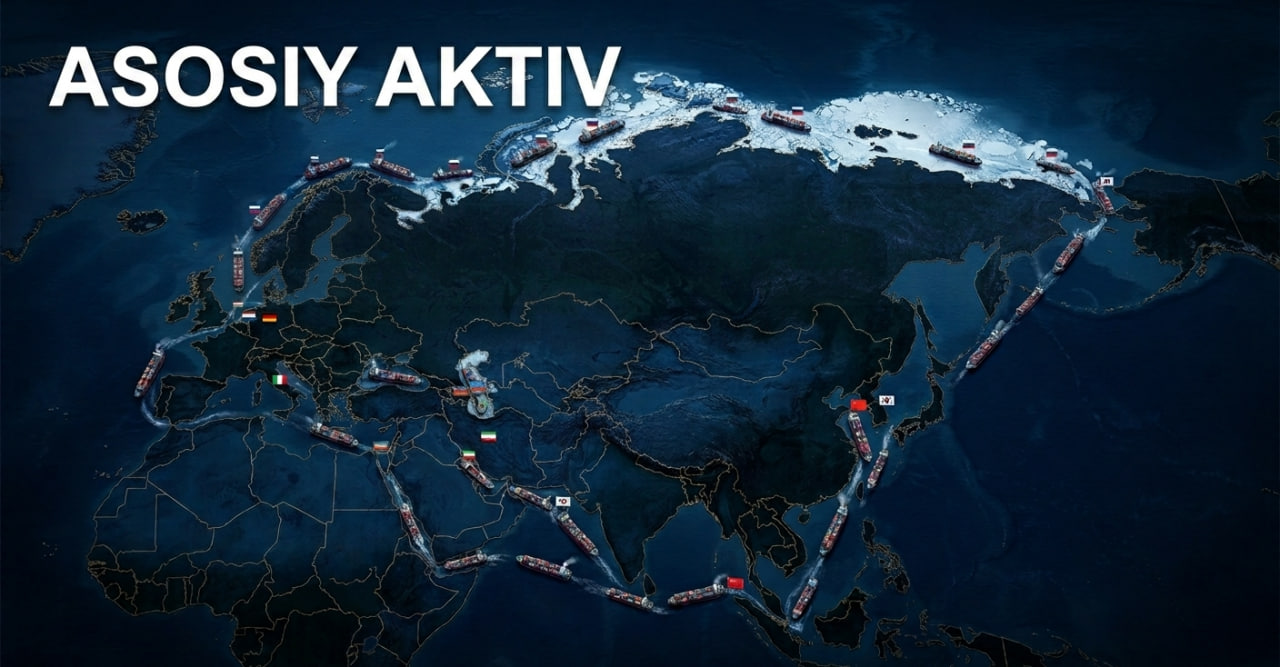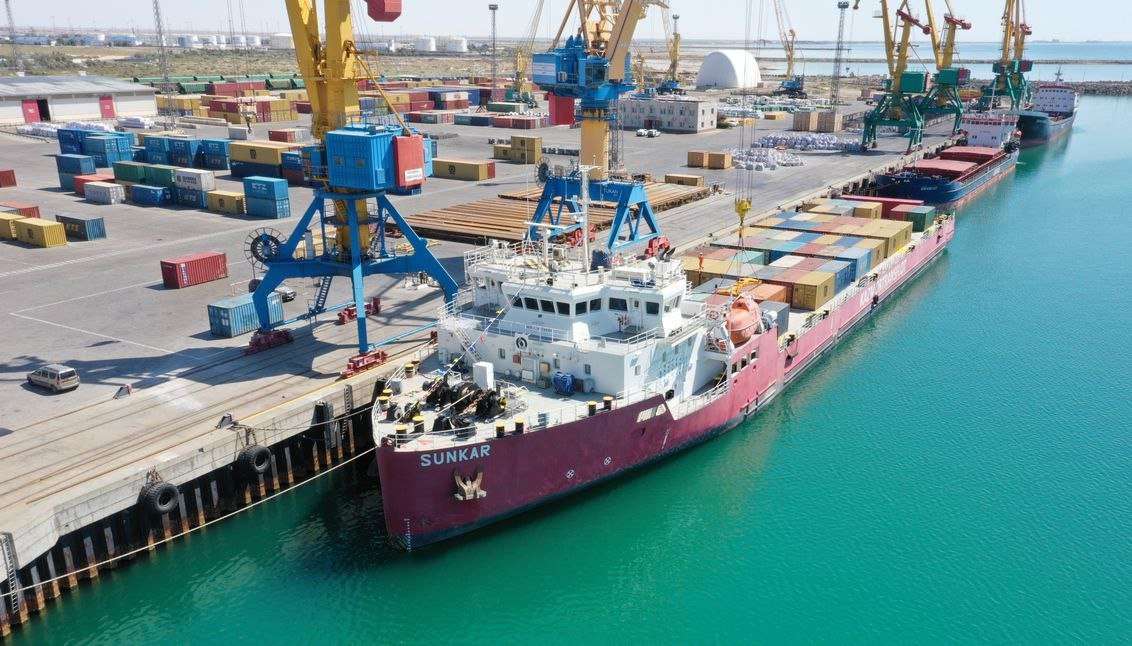
Amid global market volatility and the disruption of traditional logistics chains, Uzbekistan is accelerating the diversification of strategic alternative routes for its export and import cargoes. In this regard, Kazakhstan's Caspian Sea ports—Aktau and Kuryk—have emerged as the primary transit hub connecting Central Asia directly with the Caucasus, Turkey, and the European continent. The recent agreements reached between the two countries mark a transition to a completely new stage of regional trade and economic cooperation.
Tariff Preferences and Export Competitiveness
Specifically, the railway administrations of Uzbekistan and Kazakhstan have approved special tariff preferences for the transit of petroleum products and mineral fertilizers through the port of Kuryk. This economic incentive sharply reduces the cost of access to European markets for Uzbek industrial enterprises via Georgian ports. Considering that Kuryk is geographically the closest maritime gateway to Uzbekistan, the new tariffs serve as an essential tool for directly enhancing the competitiveness of Uzbek exporters. Concurrently, the management of the Aktau International Commercial Sea Port has expanded its infrastructural support by allocating temporary storage warehouses for companies from Uzbekistan.
The Macroeconomic Role of the Mangystau Hub
It is important to emphasize that the major seaports located in the Mangystau Region serve as a key link guaranteeing an uninterrupted supply chain in Uzbekistan's foreign trade policy. For an economy lacking direct access to the global ocean, these Caspian gates act as the foundational transit system, connecting regional manufacturers with global financial and commodity markets. The introduction of additional warehousing services allows local businesses to save on operational and working capital, as well as cushion themselves against logistical shocks.
Infrastructural Indicators and Throughput Capacity
An analysis of the indicators demonstrates rapid growth in logistical activity. In the first half of the year, 50,000 tons of transit cargo and over 1,700 containers were delivered to Uzbekistan through the port of Aktau. Transit speeds have been increased to 1,000 kilometers per day, significantly minimizing operational delays in trade turnover. Overall, the volume of processing of Uzbek cargoes along the Trans-Caspian International Transport Route grew by more than 60 percent in 2025. A 3.8-fold surge in container transit through Kazakhstan's ports between 2022 and 2025 confirms the extraordinarily high level of macroeconomic demand.
Modernization efforts at the seaports are also contributing to the expansion of logistical capacities. Following a dredging project implemented at the port of Kuryk in 2024, ferry service time was reduced from 20 hours to 12 hours. Crucially, ferries can now accommodate an additional 500 tons of cargo per voyage. Currently, the annual capacity of the port of Aktau stands at 12 million tons, and together with Kuryk, the total throughput capacity on the Caspian Sea reaches 22 million tons. The launch of the second phase of the Aktau container hub in 2027–2028 is expected to increase its capacity to 240,000 TEU per year.
To ensure the future efficiency of this vast transit network, the parties are considering options for integrating their internal logistical zones. Specifically, direct cooperation is expected to be established between the Aktau International Container Hub and the Chukursay container terminal in Uzbekistan. The mutual intention of the two governments to double the throughput capacity of their railways represents a macroeconomic move of capital significance, aimed at reducing transnational transportation costs and strengthening Central Asia's strategic position in the global supply chain. Such targeted, large-scale diversification in the region lays a solid foundation for the uninterrupted functioning of stable trade turnover in the future.