The Houthi maritime blockade in the Red Sea has triggered a forced restructuring of the global logistics architecture. With vessel traffic through the Bab el-Mandeb Strait plunging by 24% to just 269 ships per week, desperate cargo owners are aggressively pivoting to alternative transit corridors.
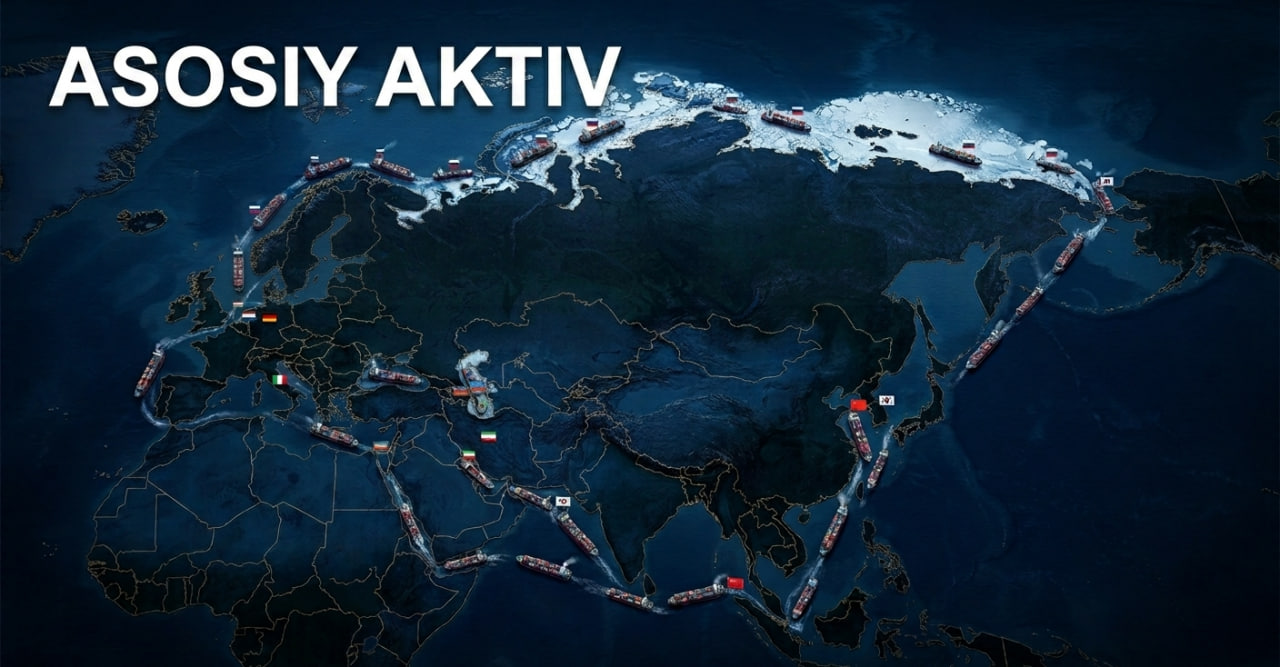
This geopolitical pressure has sparked fierce, unexpected competition for displaced cargo between the Northern Sea Route and the Trans-Caspian International Transport Route (Middle Corridor). While neither alternative possesses the capacity to absorb Suez volumes, global exporters are being forced to constantly balance transit times against compounding political and environmental risks.
The Arctic: From Experiment to Fixed Schedules
On August 22, the PanStar Acro, a 2758 TEU container ship, departed Busan for Europe via the NSR. Purchased from HMM for approximately $26 million, the vessel is projected by South Korea’s oceans ministry to cut the Suez route length by up to 35%, completing the voyage in 40-45 days.
Despite Western diplomatic frustration over Seoul coordinating passage with Moscow, South Korean President Lee Jae Myung has prioritized Arctic shipping, targeting regular commercial operations by 2030. Rosatom has already declared 2026 as the inaugural year for regular commercial transit, granting China’s Sea Legend Shipping a permit for a weekly European line. The ultimate barrier, however, is environmental: ice restricts navigation to a mere three summer months.
The Shrinking Caspian and Middle Corridor Constraints
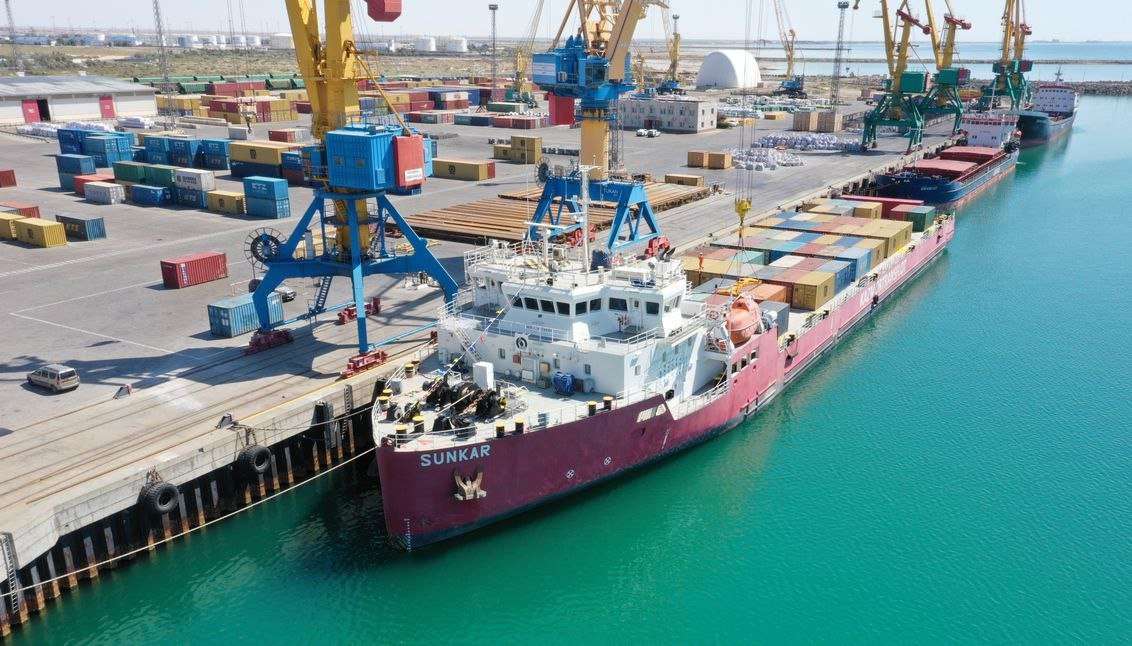
The Middle Corridor, conceptually designed to bypass Russia, is colliding with its own severe operational limits. In 2025, transport volumes grew by 11% to roughly 5 million tons, yet the container base remains anemic at just 77,000 TEU. The European Bank for Reconstruction and Development estimates China-to-Europe transit could take 18 days, but actual delivery times swing wildly between 14 and 60 days, obliterating the predictability demanded by cargo owners.
Ecological factors compound the crisis: the shallowing of the Caspian Sea has already slashed ferry transport of rail tanks on the Baku-Kuryk line by 22%, and railcars by 10%.
As long as Houthi militants keep the southern route in their crosshairs, both the Arctic and Caspian alternatives will experience aggressive growth as they absorb overflow traffic. However, both transit architectures will soon collide with their absolute natural and infrastructural limits, cementing a permanent structural premium into global shipping costs.