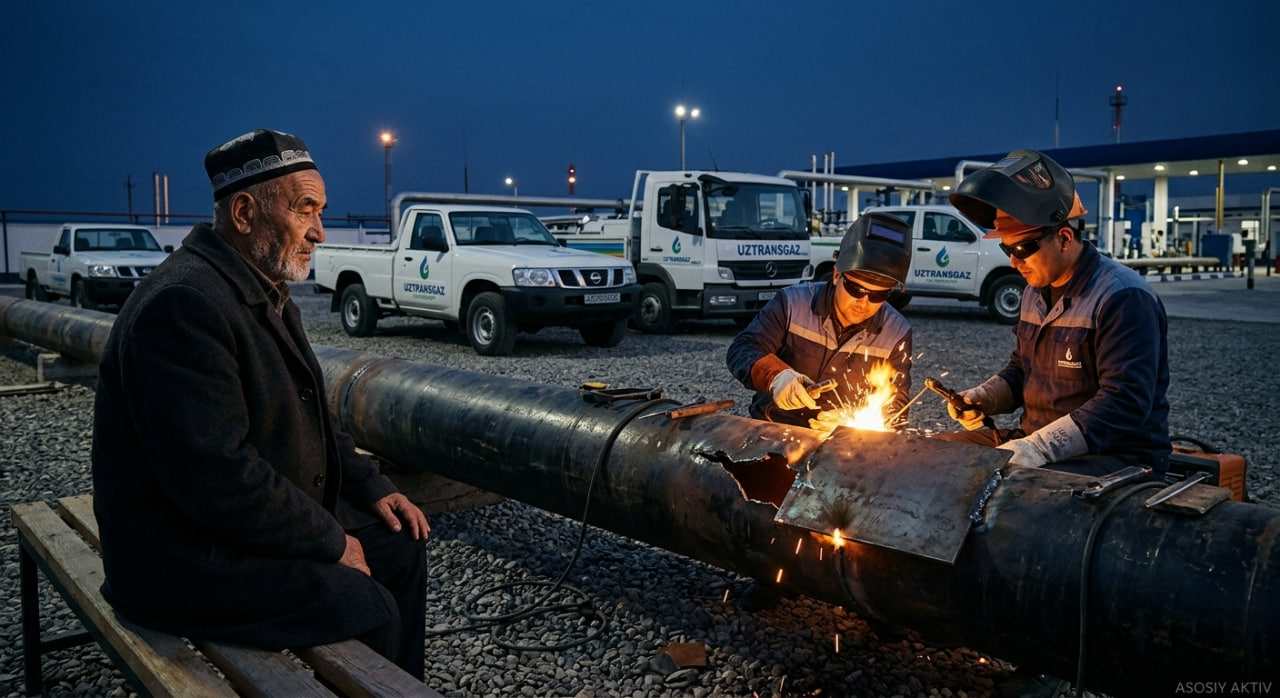
Ежегодно Узбекистан безвозвратно теряет как минимум 35 млн кубометров природного газа из-за критического износа трубопроводов. Утвержденный Кабинетом министров и финансируемый Всемирным банком новый проект официально зафиксировал более тысячи аварийных точек утечек в инфраструктуре государственной монополии АО «Узтрансгаз».
Этот инцидент обнажает глубокий структурный кризис в энергетическом секторе страны. В то время как правительство в рамках стратегии «Узбекистан — 2030» декларирует переход к рыночным механизмам, устаревшая инфраструктура генерирует не только прямые финансовые убытки, но и международное экологическое давление из-за неконтролируемых выбросов метана. Для спасения активов компании, Министерство экономики и финансов было вынуждено привлечь целевой грант Всемирного банка в размере $10,6 млн.
Целевое распределение финансовой инъекции
Бюджет проекта жестко структурирован: львиная доля в $9,6 млн направляется непосредственно на физическую ликвидацию утечек в магистралях. На укрепление институционального потенциала и создание систем мониторинга выделено $500 тыс.
Аналогичная сумма предусмотрена на финансирование группы управления проектом и привлечение транснациональных экспертов. Координация процесса передана специально созданной межведомственной рабочей группе под руководством заместителя министра экономики и финансов Умида Абидхаджаева.
Условие реинвестирования и институциональный контроль
Ключевая особенность соглашения между правительством и Всемирным банком кроется не в механизме освоения средств, а в жестких правилах распределения будущих доходов от сэкономленного сырья. Экономическая выгода от устранения утечек не станет свободной прибылью, оседающей на счетах «Узтрансгаза».
Согласно протоколу, эти средства подлежат обязательной целевой реинвестиции. Капитал будет направлен исключительно на внедрение современных систем измерения, мониторинга и верификации , а также на повышение операционной эффективности и модернизацию самой газотранспортной инфраструктуры.
Данное финансовое соглашение сигнализирует о радикальном изменении подхода международных кредиторов к энергетическому рынку Узбекистана. Иностранные гранты больше не выдаются как безусловная помощь на поддержание ветшающей инфраструктуры, а используются как прямой рычаг принуждения государственных корпораций к цифровизации и финансовой прозрачности. То, насколько реальная экономия от ликвидации потерь отразится в будущих балансовых отчетах «Узтрансгаза», станет последней и самой важной лакмусовой бумажкой для институциональных инвесторов перед прямым вхождением в отрасль.