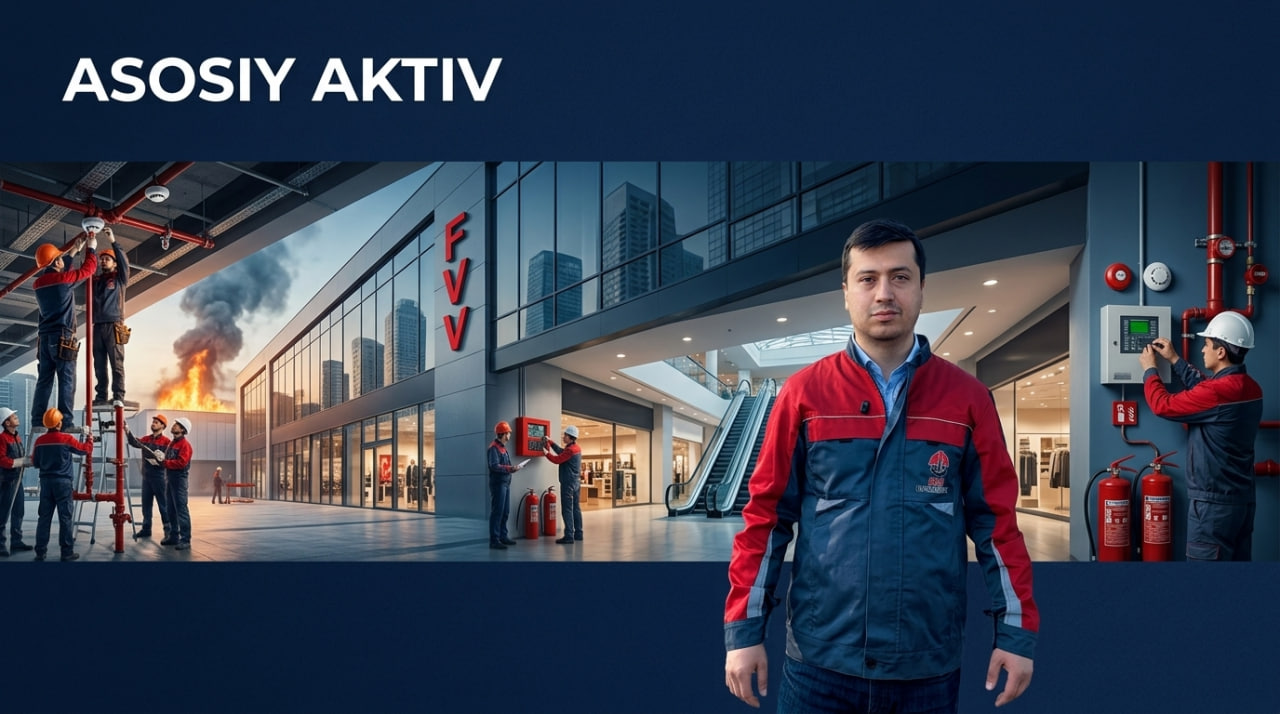
В прошлом году Узбекистан понес колоссальные убытки: 11 241 пожар, 249,2 млрд сумов материального ущерба и 82 потерянные жизни. Это не сухая статистика, а диагноз системному кризису, игнорировать который больше невозможно. Реакция Сената Олий Мажлиса последовала незамедлительно. Теперь владельцы рынков, торговых и развлекательных комплексов несут прямую гражданскую ответственность за здоровье и жизни третьих лиц. Вводится обязательное противопожарное страхование и уголовная ответственность за махинации с документами. Но как эти жесткие инициативы отразятся на реальном бизнесе? Чтобы понять скрытую механику рынка безопасности, мы встретились с авторитетным инсайдером индустрии — директором ООО "OSK SMART PROTECT" Камолиддином Кудратовым.
— На фоне новых законов и требований началась ли паника среди предпринимателей? И главное — насколько теперь вырастут цены на ваши услуги, и как эти издержки в итоге ударят по кошельку рядового потребителя через арендную плату?
— Никакой паники нет. Это скорее медийный шум для внешнего наблюдателя. Если говорить языком цифр, установка систем пожарной безопасности составляет всего 2-5% от общего бюджета на ремонт и запуск объекта. Нарратив о том, что цены на наши услуги взлетят до небес и это моментально отразится на стоимости аренды, а затем и на кошельке потребителя — экономический абсурд.
— На рынке полно компаний, предлагающих дешевые услуги «только на бумаге». Чем рискует предприниматель, решивший сэкономить на них, в случае реального пожара или внезапной проверки?
— Фиктивная безопасность в условиях нынешних законов — это бомба замедленного действия. Штрафы перестали носить символический характер. Для крупного бизнеса любая грубая ошибка означает не просто внушительную финансовую санкцию, а полную блокировку деятельности. Реальный страх предпринимателя сегодня кроется не столько в самом огне, сколько в замке, который повесят на двери его бизнеса проверяющие органы.
— Как формируется ваше ценообразование? Какой процент ежемесячной платы уходит на реальное оборудование и часы специалистов, а какой — это просто маржа за «спокойствие» от проверок?
— Наша финансовая модель абсолютно прозрачна. Это фонд оплаты труда сотрудников плюс стоимость материалов. Сверху закладывается классическая маржа. Не существует никакой скрытой «надбавки за спокойствие» от инспекций. Клиент платит за надежное инженерное решение.
— Во сколько обойдется среднему торговому центру разовая самостоятельная закупка и установка системы, и почему выгоднее сидеть на вашей абонентской «игле»? Почему бизнес не может сделать всё один раз и забыть?
— Самодеятельность — это формат для микробизнеса, где привлекаются дешевые электрики и монтажники обычных камер. Для среднего и крупного корпоративного сектора выстраивать безопасность своими руками экономически нецелесообразно. Передача этой функции на аутсорс оптимизирует как риски, так и капитальные затраты. Мы можем позволить себе удерживать комфортные цены на абонентское обслуживание исключительно благодаря эффекту масштаба (economies of scale), опираясь на нашу обширную базу старых клиентов.
— Почему в этот, казалось бы, сверхприбыльный бизнес так сложно войти новым игрокам?
— Сверхприбыльность этой ниши — большой миф. Мы сталкиваемся со специфическим парадоксом отечественного бизнеса: инвестор готов вложить миллионы в пафосный фасад или импортную мебель, но когда речь заходит о пожарной безопасности, бюджет режется до последнего сума. Многие воспринимают это не как защиту активов, а как вынужденную бюрократию. Выжить здесь на старте без крепкой клиентской базы практически невозможно. Даже «старые волки» рынка, работающие по 5-10 лет, генерируют в среднем от 500 тысяч до 1,2 млн долларов в год. Это жесткий B2B-рынок.
— Насколько сложно получить лицензию, и кто является главным бенефициаром контроля над отраслью?
— Экосистема полностью централизована. Тотальный контроль над рынком и правилами игры осуществляет Министерство по чрезвычайным ситуациям (МЧС).