Пока мировое горнодобывающее сообщество было одержимо западными корпорациями, узбекский государственный гигант незаметно выстроил одну из самых впечатляющих сырьевых империй на планете. Навоийская горно-металлургическая компания на протяжении десятилетий оставалась строго охраняемой государственной тайной посреди пустыни Кызылкум, но сегодня она превратилась в гигантскую машину по генерированию миллиардов долларов чистой прибыли. Этот золотой колосс готовится сотрясти мировые финансовые рынки, планируя провести в Лондоне крупнейшее первичное размещение акций за последние годы. Ожидание этого грандиозного события уже заставило мировую финансовую элиту пересмотреть свои инвестиционные портфели и обратить пристальное внимание на Центральную Азию.
Финансовые результаты компании за 2024 год стали настоящим шоком для международных инвесторов, показав цифры, которым могли бы позавидовать ведущие игроки рынка. Выручка достигла рекордных $7.4 млрд. При этом операционная маржа составила невероятные 62%, что в денежном выражении равно $4.6 млрд. Чистая прибыль взлетела на 40% по сравнению с предыдущим годом и зафиксировалась на уровне $2.1 млрд. Подобные показатели рентабельности доказывают, что корпорация обладает непревзойденной бизнес-моделью, позволяющей извлекать максимальную выгоду из каждого грамма добытого драгоценного металла. Эта феноменальная прибыльность не является случайностью.
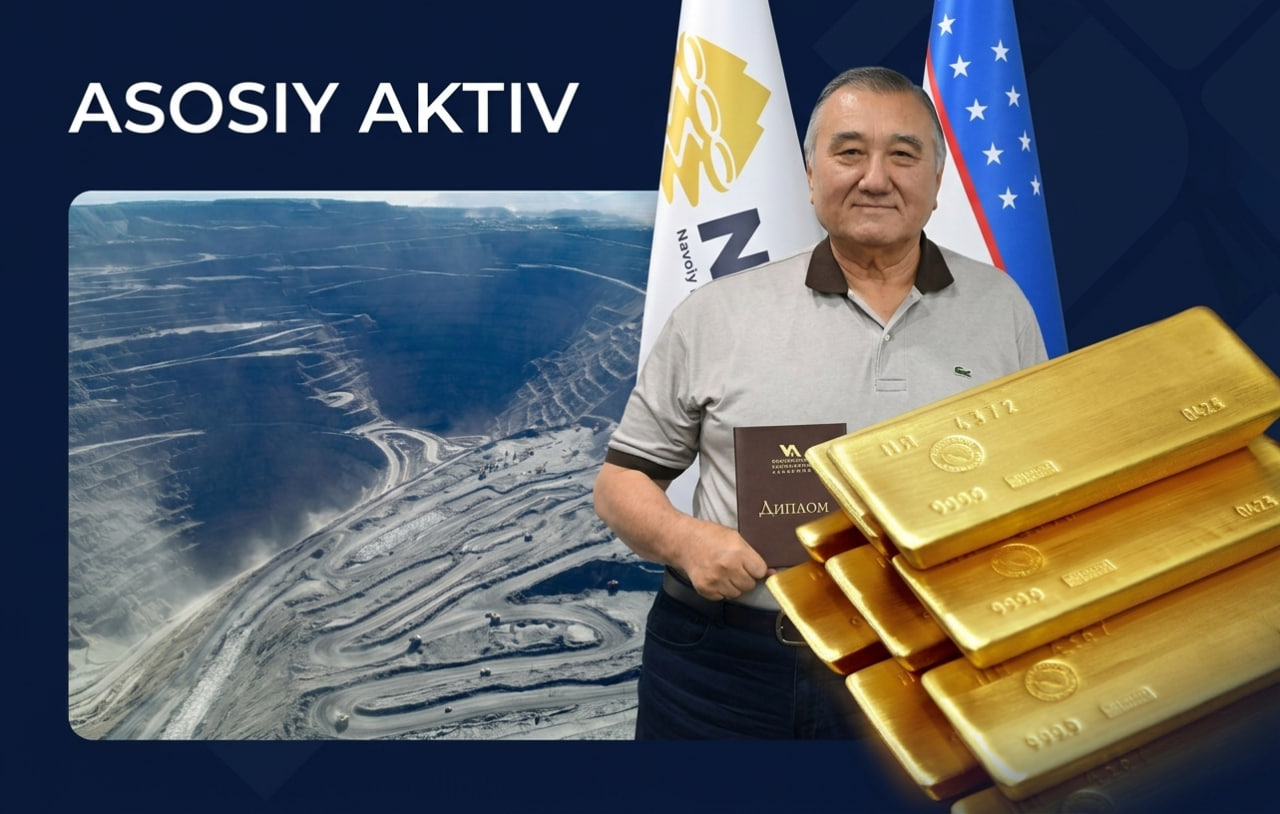
Результаты первой половины 2026 года лишь подтверждают статус компании как машины по производству денег. За первые 6 месяцев было добыто 1.51 млн тройских унций золота. Общая стоимость произведенной продукции достигла ошеломляющих $7.23 млрд, или 86.2 трлн сумов. Фундаментом этого финансового благополучия является легендарное месторождение Мурунтау, масштабы которого настолько велики, что его видно невооруженным глазом с борта Международной космической станции. Этот геологический феномен простирается на 3.3 км в длину, 2.5 км в ширину и уходит вглубь более чем на 600 метров. С запасами, оцениваемыми в 150 млн унций, Мурунтау обеспечивает компании невероятное конкурентное преимущество. Совокупные затраты на поддержание добычи составляют всего $979 за унцию. При текущих мировых ценах на драгоценные металлы такая потрясающе низкая себестоимость гарантирует абсолютную сверхприбыль для будущих акционеров.
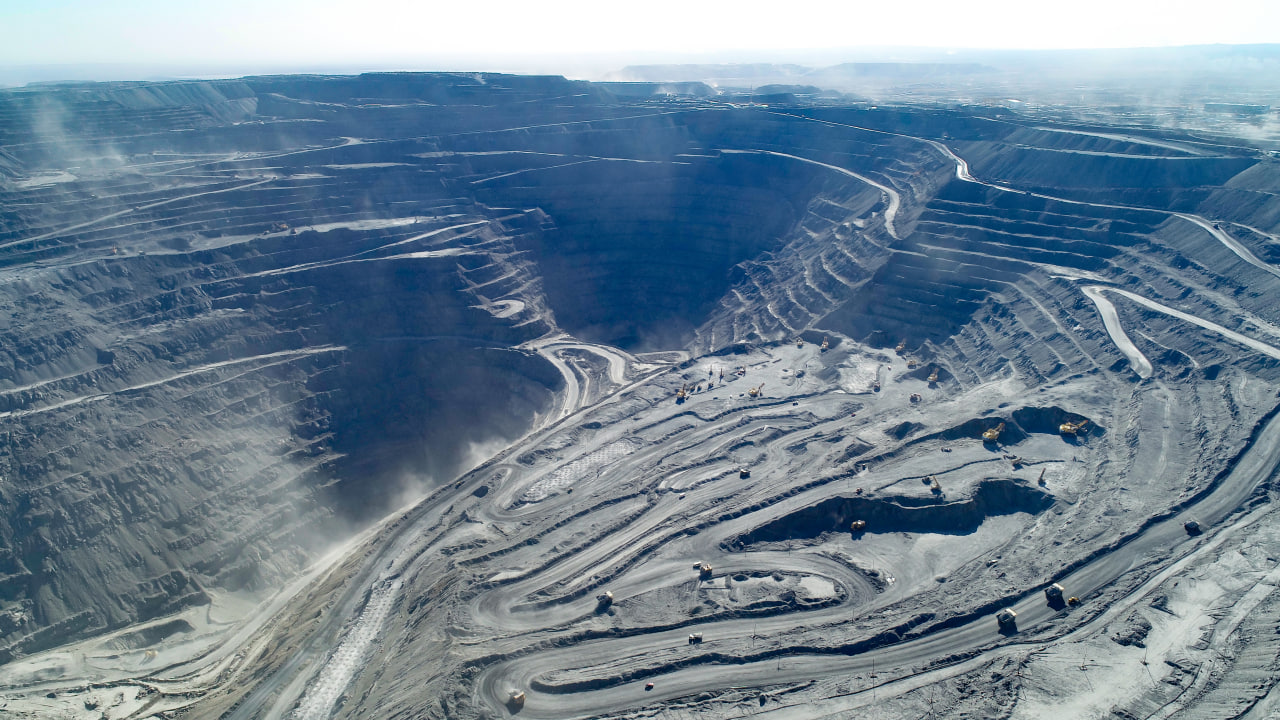
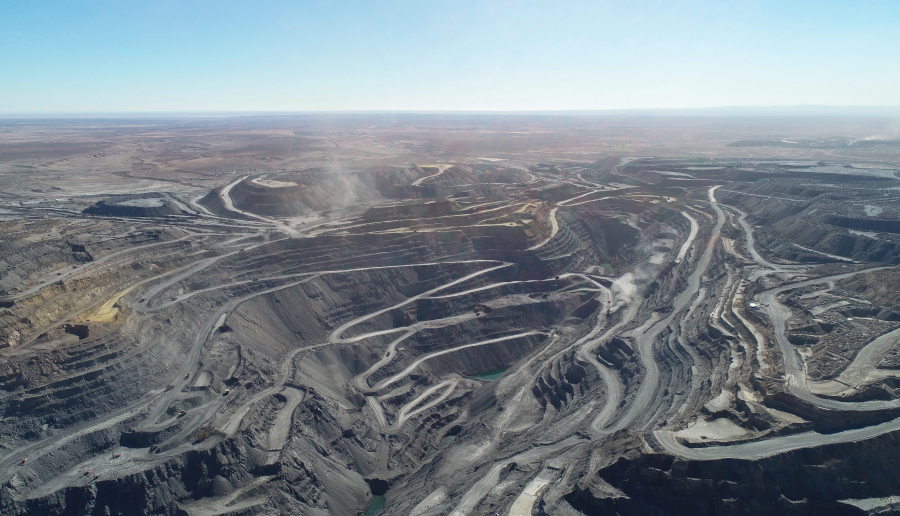
Вместо того чтобы просто накапливать капитал, руководство агрессивно реинвестирует колоссальные суммы в расширение производства. Капитальные затраты в прошлом году составили $914 млн. Только за период с января по июль 2026 года в рамках государственной инвестиционной программы было освоено $236.8 млн. Эти инвестиции позволили создать 1008 новых рабочих мест и закупить у местных производителей товаров на сумму $352.2 млн (4.2 трлн сумов). В рамках программы локализации было произведено продукции на $67.8 млн (808.7 млрд сумов). Масштабная модернизация охватила все ключевые активы корпорации. На руднике Мурунтау только за полгода было извлечено 96 млн кубических метров горной породы, а транспортный парк пополнился новыми грузовиками. 7-й гидрометаллургический завод проходит стадию активного расширения. На 2-м заводе запуск новых мельничных блоков довел их общее количество до 82 единиц. Параллельно на месторождениях Кокпатас и Даугызтау продолжаются интенсивные строительно-монтажные работы на хвостохранилище 3-го завода. Новые 10-кубовые электрические экскаваторы и погрузчики были поставлены на рудники Даугызтау и Восточный. Строительство и установка оборудования для конвейерных линий по циклично-поточной технологии также в самом разгаре, что неминуемо приведет к еще большему снижению операционных расходов в обозримом будущем. Главная интрига разворачивается вокруг готовящегося публичного размещения акций на Лондонской фондовой бирже.
По предварительным оценкам авторитетных инвестиционных банкиров, стоимость компании может варьироваться от $20 млрд до $25 млрд. Ожидается, что инвесторам будет предложен солидный пакет от 5% до 15% акций. Для организации этой исторической сделки привлечена тяжелая артиллерия с Уолл-Стрит. Синдикат банков включает в себя таких гигантов, как Citi, Morgan Stanley и JP Morgan, а консультированием правительства занимается легендарная структура Rothschild. Выбранная стратегия двойного листинга предполагает одновременное размещение бумаг в Лондоне и Ташкенте. Это мудрое решение обеспечит международным инвесторам необходимую высокую ликвидность, сохранив при этом доступ к национальному достоянию для местных граждан. Включение в совет директоров авторитетных независимых экспертов, таких как Джон Ферриер, является четким сигналом для институционального капитала об открытости корпорации. Кроме того, компания внедряет строгие экологические стандарты, планируя довести долю возобновляемых источников энергии до 21% к концу 2026 года. Успешное размещение такого исполинского масштаба станет настоящим спасательным кругом для Лондонской биржи и окончательно закрепит за узбекской компанией статус безоговорочного глобального сырьевого лидера.