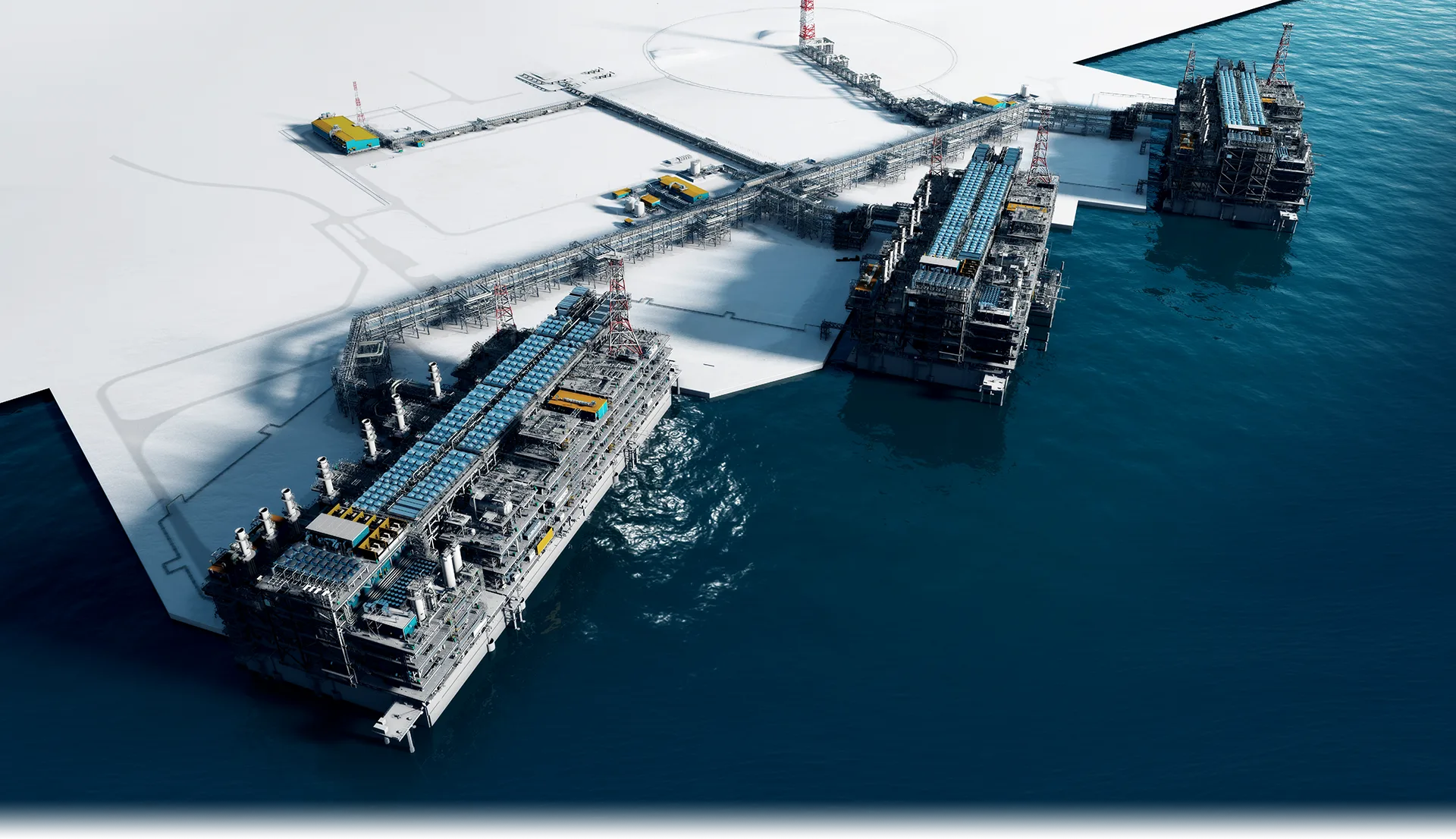
A coordinated drone assault on Libya’s Ez-Zawiya refining complex threatens to sever 420,000 barrels per day of crude and refined products from the global supply chain. On August 10, 2026, the National Oil Corporation (NOC) signaled it is on the verge of declaring force majeure following four successive strikes against critical storage tanks and terminal infrastructure.
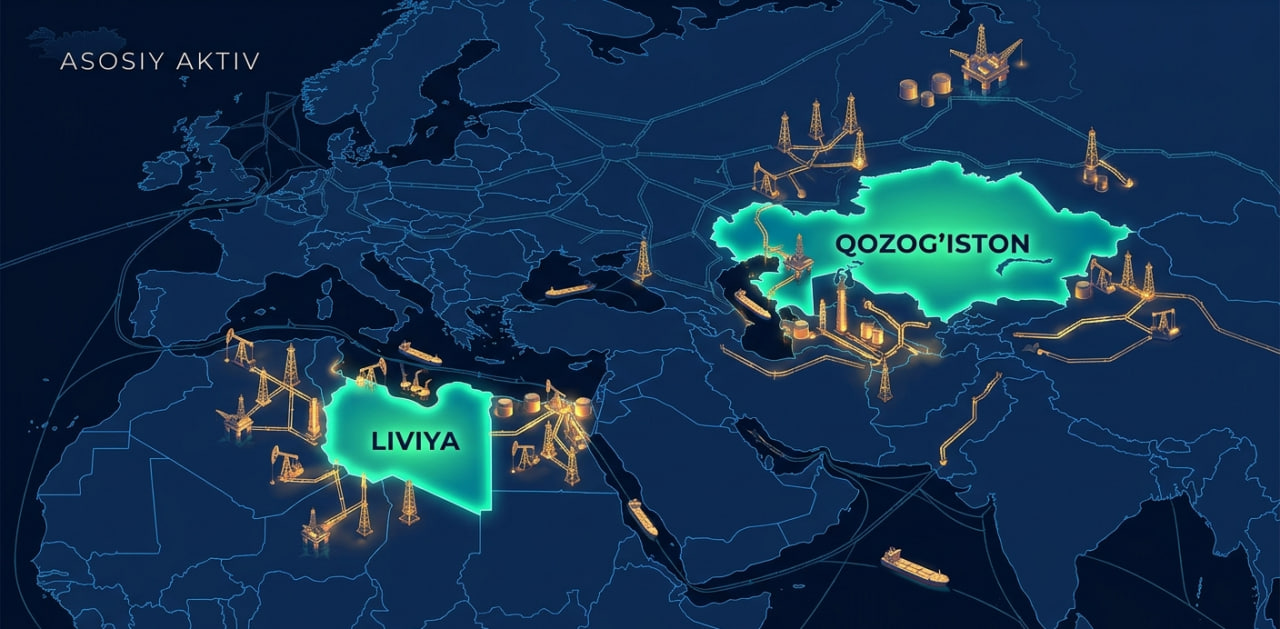
The potential shutdown of North Africa's largest operational refinery immediately triggers a supply shock across the Mediterranean basin. This paralysis extends far beyond domestic fuel shortages; it chokes off a critical export gateway, forcing European refiners to aggressively reprice alternative light sweet crudes, positioning Kazakhstan’s CPC Blend as the primary market beneficiary.
The Anatomy of the Infrastructure Strike
The attacks systematically targeted specific operational vulnerabilities. Following a Saturday strike on raw naphtha tank 7-1 and a Sunday hit on a desalination unit, a third drone completely obliterated tank 402-T owned by Brega Oil Marketing on Monday evening, incinerating approximately 4.5 million liters of automotive gasoline. A fourth strike on a mixing plant prompted the NOC to place the entire facility under a state of maximum alert.
The Dual-Node Chokepoint
Operating at 120,000 bpd, Ez-Zawiya remains Libya's last major refining stronghold following the Ras Lanuf shutdown. Crucially, the complex doubles as the exclusive export terminal for the Sharara oil field. A declaration of force majeure would freeze the 723-kilometer pipeline operational since 1998, immediately blocking 300,000 bpd of light sweet crude exports.
When Libyan shipments plummeted in September 2024, the Mediterranean market witnessed an aggressive spike in premiums for alternative light sweet grades. The current escalation forces European traders into defensive hedging, rapidly diverting demand toward Kazakhstan’s CPC Blend, a maneuver guaranteed to stretch crude spreads and aggressively squeeze regional refining margins in the impending quarter.