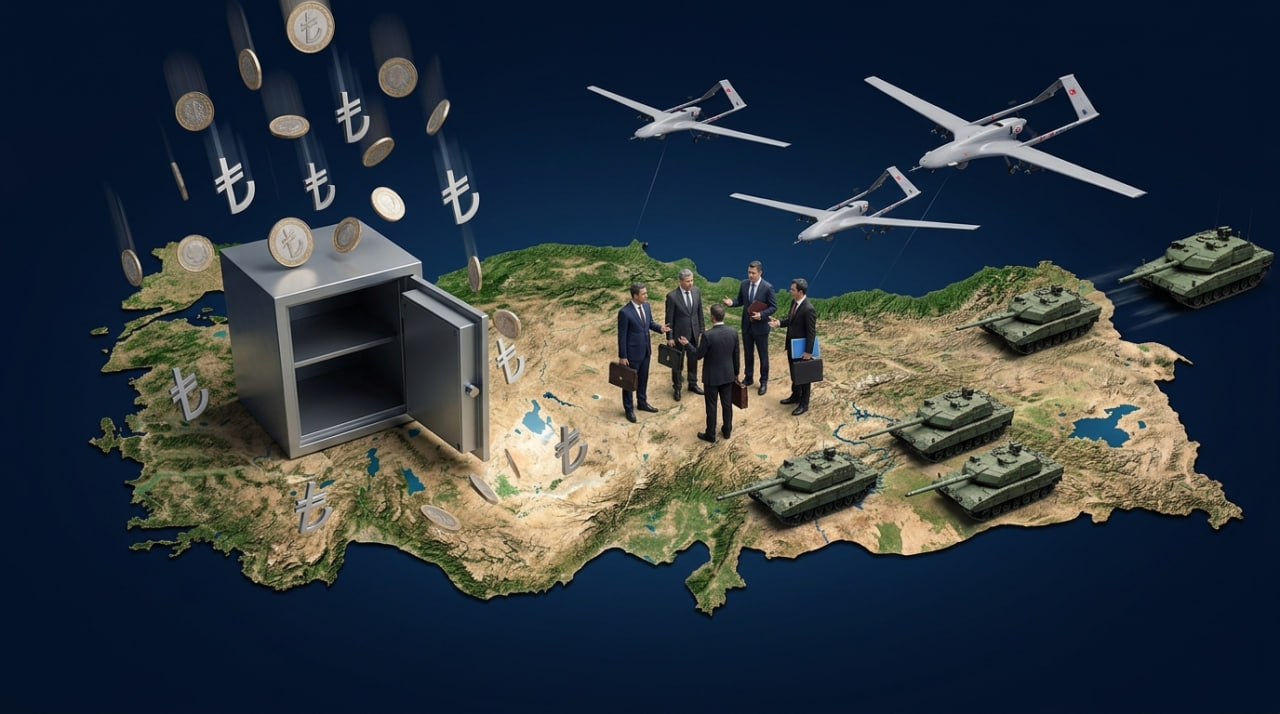
Рассматривайте государство как гигантскую транснациональную корпорацию. На протяжении последних двух десятилетий Турция реализовывала агрессивную стратегию экспансии. От Ближнего Востока до Восточного Средиземноморья, Кавказа, Центральной Азии, Балкан и Африканского Рога открывались дипломатические и военные филиалы Анкары. Любой опытный финансовый аналитик знает, что захват рынков требует огромного капитала. Геополитические амбиции Турции постоянно превышали ее операционную прибыль. Эта беспрецедентная активность финансировалась не за счет реальных экспортных доходов, а за счет краткосрочных иностранных кредитов и хронического дефицита счета текущих операций.
Золотая эра этой корпорации пришлась на начало двухтысячных годов. С девяностых по две тысячи четвертый год страна привлекала в среднем лишь один миллиард долларов прямых иностранных инвестиций. К две тысячи шестому году этот показатель превысил двадцать миллиардов долларов. Финансовые отчеты выглядели блестяще. В две тысячи четвертом году реальный валовой национальный продукт вырос почти на десять процентов. Инфляция рухнула с шестидесяти восьми процентов до однозначных цифр. Международные рынки капитала поверили в турецкое экономическое чудо, открыв безлимитные кредитные линии.
Однако распределение капитала оказалось фатально ошибочным. Десятки миллиардов долларов пошли не на строительство новых высокотехнологичных заводов или создание экспортных кластеров, а на скупку коммерческих банков, телекоммуникационных компаний и недвижимости. Приток валюты искусственно укрепил лиру, что сделало импорт дешевым, но задушило экспортную маржинальность. К две тысячи одиннадцатому году дефицит счета текущих операций достиг десяти процентов от валового внутреннего продукта. Эксперты Организации экономического сотрудничества и развития предупреждали, что безопасный предел составляет максимум пять процентов. Фундамент будущей финансовой катастрофы был заложен.
Настоящий коллапс начался, когда эта хрупкая финансовая модель столкнулась с экстравагантными управленческими решениями. Личная экономическая теория президента Реджепа Тайипа Эрдогана, гласящая, что высокие процентные ставки вызывают инфляцию, а не снижают ее, полностью разрушила монетарную политику государства. В то время как инфляция взлетала, а лира обесценивалась, Центральный банк подвергался жесткому давлению с требованием снижать ставки. Результатом стала потеря доверия инвесторов и масштабный отток капитала. Население, спасая свои сбережения, начало массово переводить лиры в доллары, евро, золото и недвижимость. К две тысячи двадцать третьему году инфляция пробила отметку в шестьдесят четыре процента. В отчаянной попытке стабилизировать валютный рынок Центральный банк сжег тридцать миллиардов долларов международных резервов всего за пять месяцев.
Как же Турции удается сохранять статус регионального тяжеловеса при таком плачевном состоянии баланса? Ответ кроется в военно-промышленном комплексе. Оборонный бюджет достиг тридцати миллиардов долларов. Турецкие беспилотники, бронетехника и военно-морские системы приносят не только прямую экспортную выручку, но и конвертируются в геополитический капитал. Продажа оружия тянет за собой долгосрочные контракты на обслуживание, программное обеспечение и контроль территорий. Анкара освоила экономную бизнес-модель делегирования силы, разделяя операционные расходы с финансовыми центрами Катара или местными правительствами в Африке. Военное вмешательство в Ливии и тренировочные базы в Сомали стали яркими примерами этой стратегии монетизации геополитики.
В середине две тысячи двадцать третьего года, с назначением Мехмета Шимшека на пост министра финансов, в корпоративное управление вернулся прагматизм. Кризисный менеджмент резко повысил процентные ставки и начал демонтаж бюрократических барьеров. Резервы начали восстанавливаться, а дефицит текущего счета сокращаться. Но структурный ущерб оказался слишком глубоким. Снижение цен идет мучительно медленно. Ожидается, что инфляция упадет лишь до тридцати процентов в следующем году, что катастрофически далеко от целевых пяти процентов. Запланированная экономическая стабильность остается призрачной.
Главная проблема заключается в том, что Турция не смогла перейти от роста, основанного на дешевой рабочей силе и иностранном капитале, к развитию, управляемому технологиями и высокой производительностью. Аналитика Всемирного банка показывает, что турецкий экспорт критически отстает в инновациях. Высокий уровень коррупции и низкая экономическая свобода убивают рентабельность бизнеса. Региональное лидерство невозможно вечно покупать в кредит. Подлинная геополитическая мощь требует сильного, независимого и высокомаржинального экономического фундамента. В противном случае любые дипломатические победы будут вновь и вновь поглощаться очередным инфляционным пожаром.