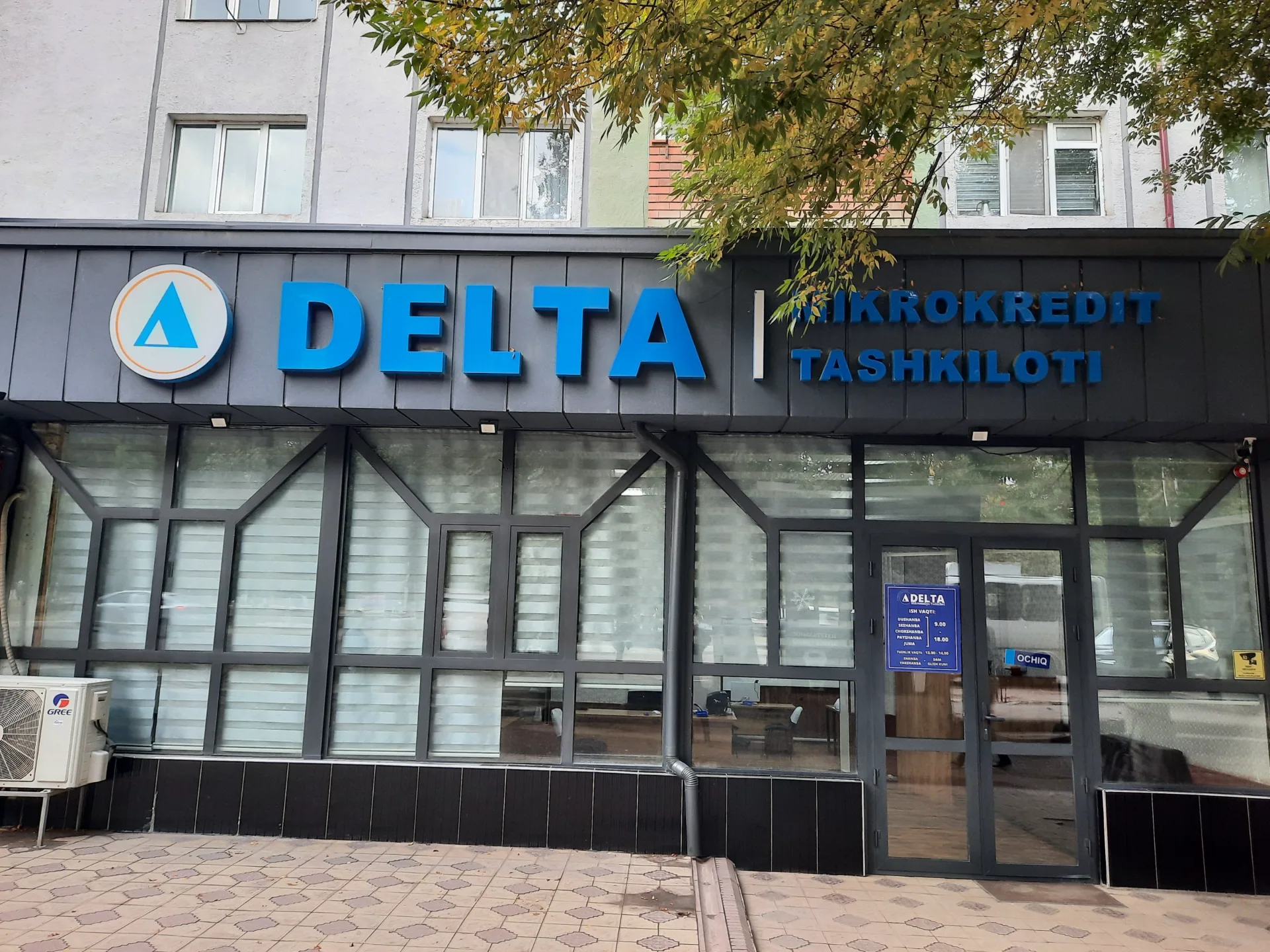
As an active participant in Uzbekistan's financial market, JSC "DELTA MIKROMOLIYA TASHKILOTI" (ticker symbols: DMMT2B, DMMT2B3, DMMT2B4) has signed a major credit agreement as part of its ongoing expansion with international financial institutions.
According to material fact No. 20 published in the open corporate information database, the company reached an agreement to secure a substantial loan from Inecobank CJSC, a financial institution based in Yerevan, Republic of Armenia. An analysis of the financial metrics reveals that the total volume of the newly acquired credit line is exactly 35,518,770,000 UZS. Notably, at the end of the quarter preceding the transaction, the issuer's net asset value was recorded at 106,465,917.8 thousand UZS.
Consequently, this single financial operation accounts for 33.4% of the company's total net assets. Under corporate governance rules and current legislation, financial agreements exceeding 25% of net assets are classified as major transactions.
For this reason, the decision to authorize this international transaction was directly reviewed and approved by the organization's Supervisory Board on August 20, 2026. Following the completion of all legal and financial procedures, the primary credit agreement was officially signed on September 19, 2026. The documents were executed under the responsibility of the head of the executive body, Sherzod Abdumuminov, and chief accountant Djaxongir Toymetov. From an economic perspective, this significant capital influx will sharply strengthen Delta MMT's position within Uzbekistan's microfinance market.
The 35.5 billion UZS liquidity will serve as powerful financial leverage to expand the microcredit portfolio, attract new clients, and increase overall profitability. Furthermore, the local market participant's ability to directly attract capital from foreign institutions like Inecobank demonstrates a high assessment of its international creditworthiness and financial discipline. However, carrying a debt load equivalent to nearly a third of its assets requires the organization to strictly monitor potential currency and liquidity risks. This strategic move confirms the company's transition from a steady baseline model to a phase of aggressive expansion.