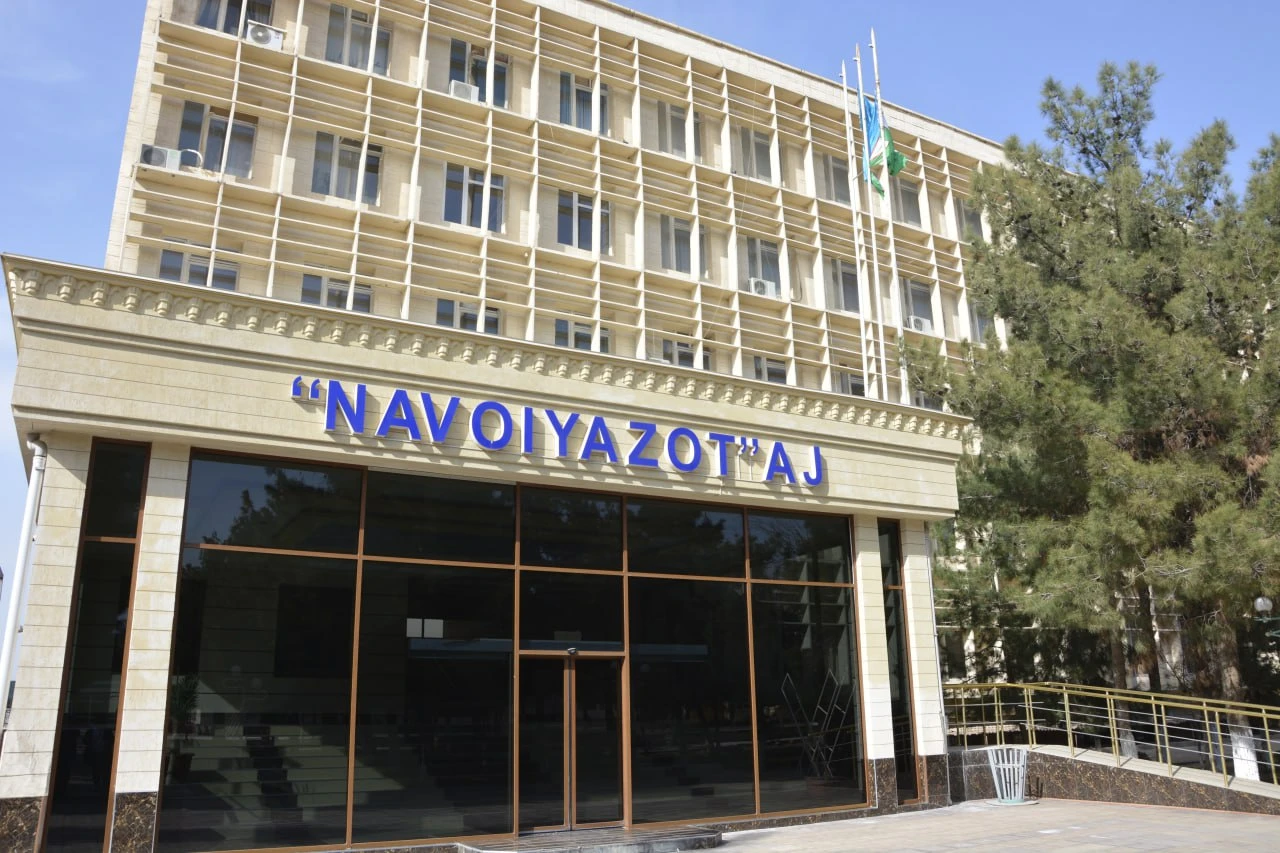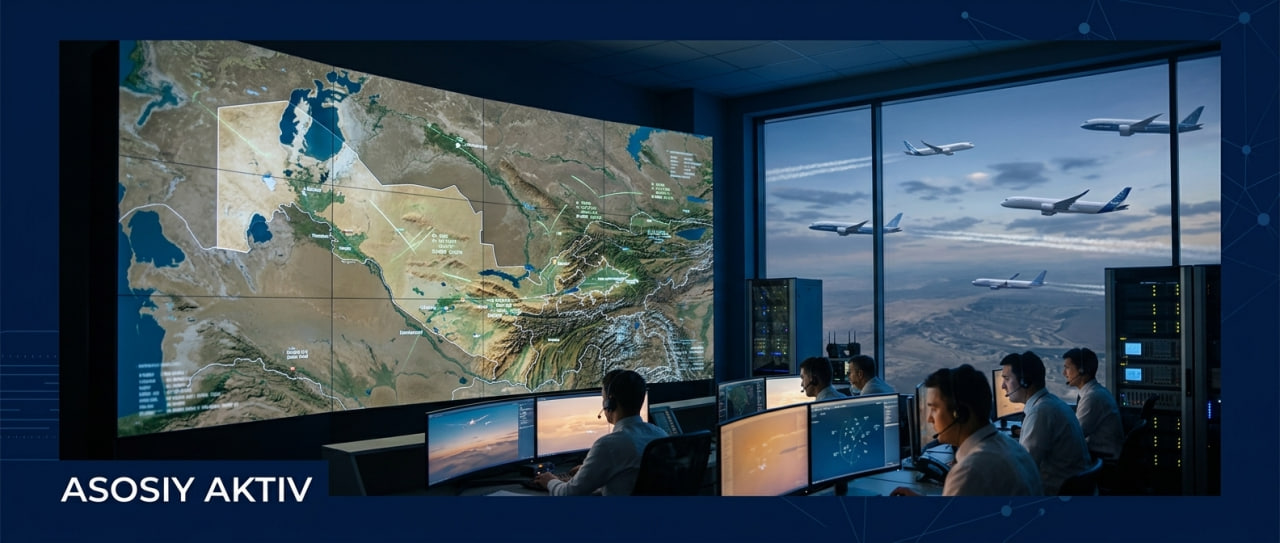
Делать деньги буквально из воздуха — заветная мечта любого глобального инвестора и бизнесмена. В Узбекистане эта мощная финансовая метафора идеально материализована в виде Центра Узаэронавигация, который обладает эксклюзивным правом взимать плату за каждое пересечение невидимых воздушных границ суверенного государства. Эта стратегическая государственная структура, основанная в 1991 году, сегодня контролирует колоссальную территорию площадью почти 480 тысяч квадратных километров. Под ее управлением находится гигантская и невидимая империя из 61 воздушного коридора, связывающего республику с соседними государствами.
Предприятие обладает премиальным портфелем постоянных клиентов, предоставляя критически важные аэронавигационные услуги более чем 400 международным авиакомпаниям на транзитных маршрутах, а также обеспечивая посадку и взлет для свыше 50 перевозчиков в местных аэропортах. Основным продуктом здесь выступают безопасность и время, а главным источником богатства является коммерческая эксплуатация воздушного пространства. Фундаментальная бизнес-модель предприятия выглядит безупречно и спроектирована как мощный магнит для привлечения твердой иностранной валюты. Согласно официальным нормативным актам, компания имеет законное право устанавливать экспортные тарифы для иностранных авиакомпаний исключительно в свободно конвертируемой валюте, а именно в долларах Соединенных Штатов Америки.
Архитектура ценообразования выстроена предельно жестко и направлена на максимальную генерацию выручки. За аэронавигационное обслуживание на маршруте в районе аэродрома перевозчики обязаны платить 50 долларов за каждый самолет. Техническое обеспечение взлета и посадки тарифицируется по строгой ставке в 5 долларов за каждую тонну максимального взлетного веса прибывающего борта. На эти базовые услуги накладываются дополнительные административные сборы: 16 долларов за обязательную обработку полетных планов и еще 16 долларов за каждое переданное сообщение по обслуживанию воздушного движения. Абсолютно все эти тарифы рассчитываются без учета налога на добавленную стоимость, что означает прямое поступление чистой ликвидности на корпоративные счета монополиста. Если умножить эти фиксированные долларовые ставки на стремительно растущую статистику интенсивности полетов последних лет, вырисовывается картина грандиозного финансового бума.
Данные государственного аудита ясно показывают, что плотность воздушного движения и транзитные потоки над Центральной Азией увеличиваются взрывными темпами. Еще в 2023 году диспетчеры обслужили огромный массив в 187 тысяч 900 воздушных судов, перевыполнив изначальный бизнес-план предприятия на внушительные 30 процентов. Траектория роста только усилилась в 2024 году, достигнув отметки в 255 тысяч 800 рейсов. А по итогам 2025 года операционная нагрузка достигла ошеломляющих 271 тысячи 600 обслуженных бортов. Всего за два отчетных года объем обслуживаемых международных клиентов подскочил почти на 45 процентов. Следуя базовой финансовой логике, предприятие-монополист, работающее на базе уже созданной инфраструктуры, должно было зафиксировать экспоненциальный взлет маржинальности и чистой прибыли. Однако финансовые реалии часто противоречат математической логике, когда в системе корпоративного управления зияют огромные дыры. Летом 2026 года Счетная палата Республики Узбекистан инициировала глубокий финансовый аудит этого сверхприбыльного государственного гиганта, вскрыв целую серию шокирующих аномалий. Несмотря на рекордные объемы обслуженных рейсов и соответствующий водопад валютной выручки, чистая прибыль предприятия в 2025 году внезапно рухнула на 49 миллиардов 100 миллионов сумов по сравнению с предыдущим финансовым годом. В абсолютном выражении это колоссальное падение на 12 с половиной процентов.
Синхронно с этим общая рентабельность монополии ушла в крутое пике, спикировав с 42 целых 7 десятых процента до тревожных 35 целых 6 десятых процента. Главный вопрос для финансовых аналитиков заключается в том, куда именно испарились эти десятки миллионов долларов. Результаты государственного аудита дали весьма мрачный ответ: гигантские доходы попросту поглощались жесточайшей операционной неэффективностью и крайне сомнительными финансовыми операциями. Аудиторы зафиксировали резкий и ничем не обоснованный рост расходов, чрезмерную инвестиционную нагрузку, а также полностью вышедшую из-под контроля спираль роста дебиторской и кредиторской задолженностей. Более того, уже существующая многомиллиардная инфраструктура воздушного пространства использовалась крайне неэффективно. В отчете прямо указано на полный крах системы современного корпоративного управления, подчеркивается тотальное отсутствие независимых механизмов внутреннего аудита, систем комплаенс-контроля и объективной оценки ключевых показателей эффективности. Валютный дождь просто утекал сквозь огромные трещины в корпоративной финансовой дисциплине.
Масштаб финансовых потерь вынудил высшие государственные инстанции к немедленному и агрессивному вмешательству. Прямо в ходе активной фазы аудиторской проверки инспекторы заставили предприятие принудительно списать искусственно раздутые и необоснованные долговые обязательства на сумму 21 миллиард сумов. Еще более тревожным сигналом стало обнаружение 11 миллиардов сумов скрытых и ранее не начисленных налогов, которые государству пришлось взыскивать в бюджет в принудительном порядке. Столь пугающие цифры заставляют наблюдателей рынка всерьез задаться вопросом: была ли это просто грубая административная некомпетентность или же симптом куда более сложных и запутанных схем вывода капитала из компании. Чтобы остановить финансовое кровотечение и вернуть фискальную адекватность, Кабинет Министров совместно с Министерством транспорта утвердили жесткий план спасения, состоящий из 26 конкретных пунктов.
Сейчас, по состоянию на август 2026 года, внутри монополии запущена радикальная корпоративная реструктуризация. Центральным элементом этой антикризисной стратегии стало экстренное внедрение единой цифровой казначейской системы, призванной сделать каждую финансовую транзакцию прозрачной и отслеживаемой. Бухгалтерские и казначейские отделы принудительно разделяются и трансформируются в полностью независимые контрольные органы для предотвращения внутренних сговоров. Параллельно разрабатывается детальная дорожная карта для жесткой оценки и минимизации коррупционных рисков в масштабных процессах государственных закупок компании. На глянцевой бумаге предприятие демонстрирует прекрасно проработанную стратегию развития вплоть до 2030 года. Эта амбициозная корпоративная визия обещает внедрение свободного воздушного пространства, повышение привлекательности для глобальных транзитных рейсов и снижение углеродных выбросов.
Однако любые красивые стратегии не имеют абсолютно никакого веса, если из кассы непрерывно утекают деньги. Текущий кризис вокруг Узаэронавигации служит жестоким напоминанием мировому бизнес-сообществу: даже абсолютная государственная монополия, наделенная эксклюзивной властью собирать бесконечную долларовую ренту с сотен тысяч пролетающих самолетов, никогда не застрахована от финансового краха при отсутствии базовой прозрачности. Теперь мировой авиационный рынок будет пристально следить за тем, сможет ли агрессивный государственный аудит вернуть предприятию пиковую рентабельность, или же многомиллиардные потоки продолжат таинственным образом растворяться в облаках.